Protecting Your Hunting Land With Insurance should be easy. Hunting land offers solitude, recreation, and sometimes a vital source of income. However, owning and managing this type of property comes with unique challenges and risks that go far beyond those of a typical residential plot. Proper insurance coverage is essential to protect your land, your investment, and your peace of mind. Here’s what every hunting landowner should know about insuring their property.
Understanding the Unique Risks Facing Hunting Land Owners
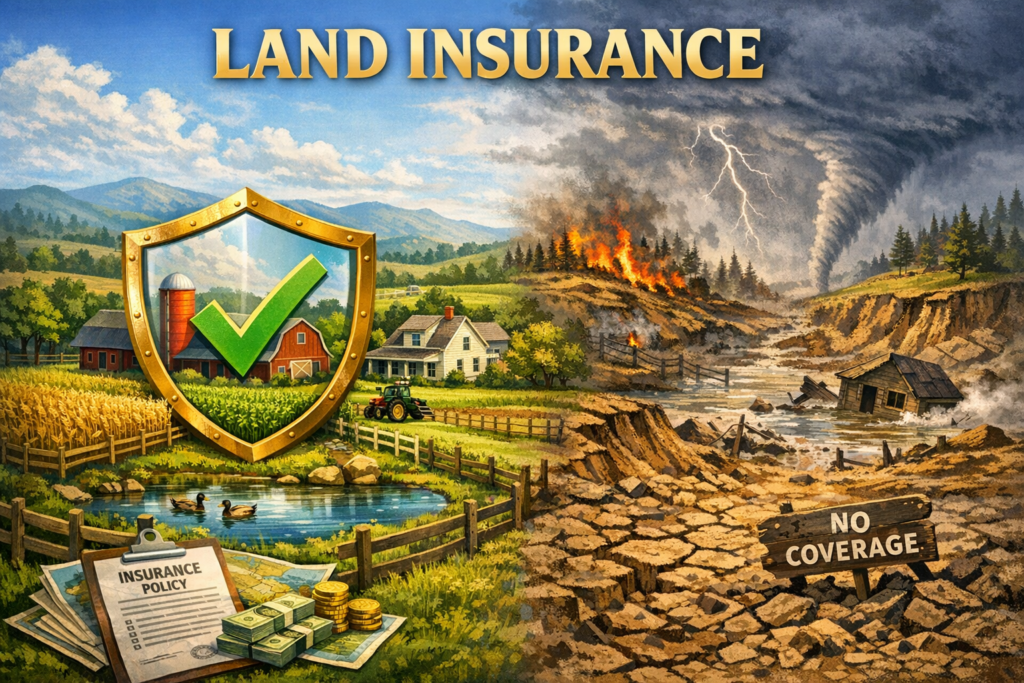
Hunting land often encompasses vast, undeveloped acreage, presenting distinct risks compared to other types of real estate. Unlike suburban or urban lots, these properties are prone to natural hazards, including wildfires, flooding, and storm damage. The remoteness of hunting land can also make it a target for trespassers and illegal poaching, adding another layer of exposure for landowners.
Liability is a significant concern, especially when guests, club members, or paying hunters access the property. Should someone become injured while on the land—whether from a fall, an accidental shooting, or a wildlife encounter—the landowner could be held legally responsible. This risk grows if the land is leased for hunting or other recreational purposes.
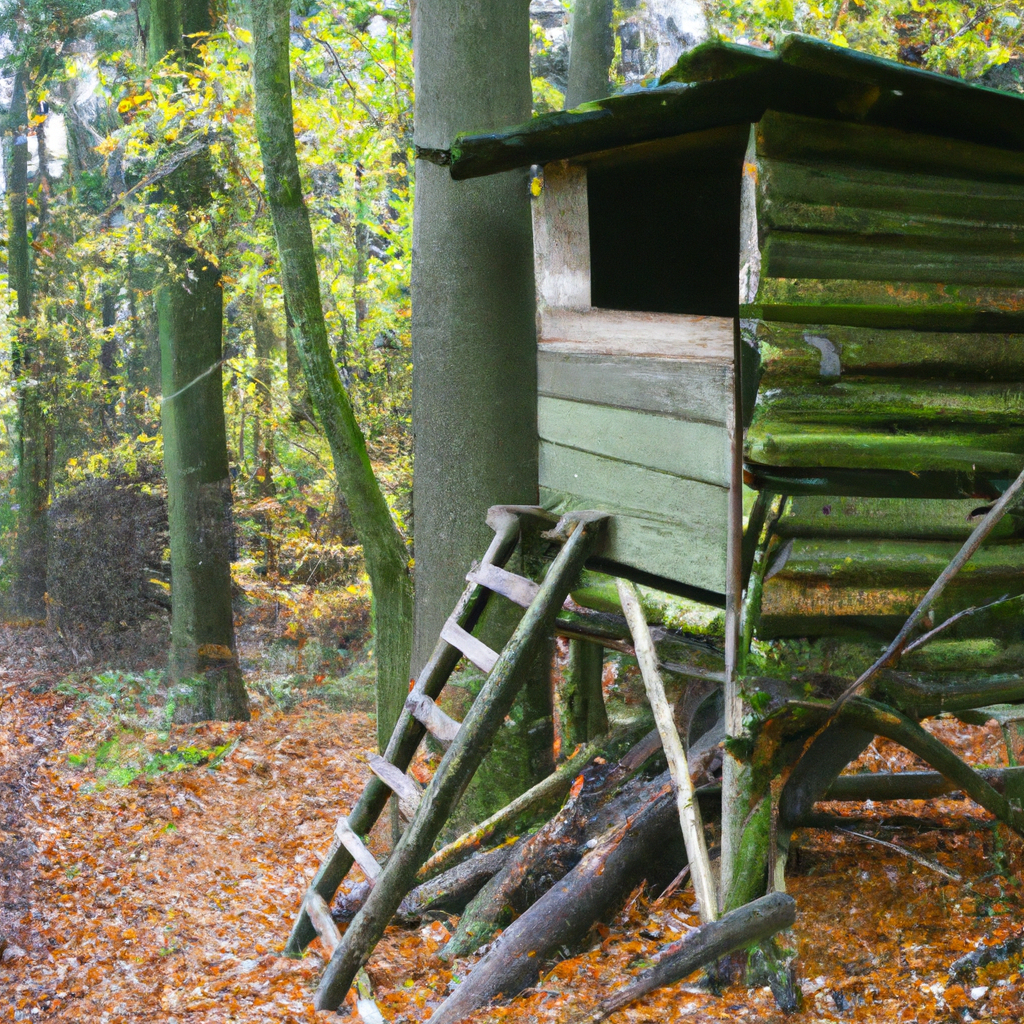
Finally, the value of hunting land often goes beyond the surface. Stands, blinds, trail cameras, and even cabins or storage sheds may be scattered across the property. These structures and investments are susceptible to theft and vandalism, making comprehensive protection essential for any hunting landowner.
Why Standard Property Insurance May Not Be Enough
Many landowners assume that a typical homeowner’s or property insurance policy will extend to their hunting acreage. Unfortunately, standard policies often fall short when it comes to covering undeveloped land, especially if it’s used for hunting or recreational activities. These gaps can leave landowners exposed to significant financial losses.
Standard property insurance usually excludes liability coverage for incidents related to hunting or other outdoor sports, as these activities are considered higher risk. If someone is injured on your land during a hunt or if property is damaged during use, your claim may be denied if you don’t have the proper coverage in place. This oversight could lead to out-of-pocket costs for medical expenses or legal fees.
Furthermore, structures and equipment on hunting land might not be included in a typical policy, particularly if they aren’t listed as primary residences or commercial buildings. Items such as hunting stands, feeders, and cabins require their own specific coverage. Understanding these limitations is crucial to ensuring you’re not caught off guard when you need protection most.
Key Insurance Coverage Options for Protecting Your Hunting Land With Insurance
A specialized hunting land insurance policy is designed to close the gaps left by standard plans. One of the most important elements is liability coverage, which protects you if someone is injured on your property. This can cover medical bills, legal defense costs, and even settlements if you’re found liable after an incident.
Property coverage is another essential piece, safeguarding your investment in structures such as cabins, barns, or sheds, as well as equipment like ATVs, blinds, or feeders. This coverage protects against risks like fire, theft, and vandalism—events that are unfortunately common on remote land. Some insurers even offer extra protection for timber, fencing, and other land improvements.
If you lease your land to hunters or operate a hunting club, consider a commercial general liability policy or a hunt lease liability policy. These options go further by protecting you from claims arising from third-party use, including injuries, property damage, and other accidents that occur during organized hunts. Always discuss your land use and potential risks with your insurer to ensure you’re fully protected.
Steps to Take When Securing Your Land Insurance Policy
The first step to getting the right policy is a thorough assessment of your land and its usage. Take inventory of all structures, equipment, and improvements, and be clear about who has access to the land and for what purposes. This information will help your insurance agent identify the right coverage options and limits for your needs.
Next, research insurers who specialize in rural or recreational property insurance. Not all companies understand the unique risks of hunting land, so it’s important to work with someone who has experience in this niche. Request quotes from several providers, and don’t hesitate to ask detailed questions about exclusions, deductibles, and claim processes.
Before finalizing your policy, review all terms and conditions carefully. Make sure you understand what is and isn’t covered, and clarify any gray areas with your agent. Document your property thoroughly with photos and records, which will be invaluable if you ever need to file a claim. Keep your policy paperwork in a secure, accessible location.
Tips for Filing a Claim and Maintaining Coverage
If an incident occurs on your hunting land, act quickly to document the event. Take photographs, gather witness statements, and file a police report if necessary. Notify your insurance provider as soon as possible, providing all relevant details and supporting documentation for your claim. Prompt reporting will help ensure a smoother claims process.
Keep your policy up to date by reviewing it annually or after any significant changes to your property—such as new structures, improvements, or changes in how the land is used. Notify your insurer of these updates, as failing to do so could impact your coverage or result in denied claims.
Maintaining your land and minimizing risk is also crucial. Regularly inspect and repair structures, post clear signage, and implement safety protocols for guests and hunters. These proactive steps can prevent incidents, demonstrate your commitment to safety, and even help lower your insurance premiums over time.
Conclusion On Protecting Your Hunting Land With Insurance
Protecting your hunting land with the right insurance isn’t just a smart financial decision. It’s a vital step in preserving your investment and your peace of mind. By understanding the unique risks, choosing the appropriate coverage, and maintaining a proactive approach, you can ensure your land remains a safe and enjoyable haven for years to come. Don’t leave your land unprotected—take action now to secure the comprehensive coverage you need.